
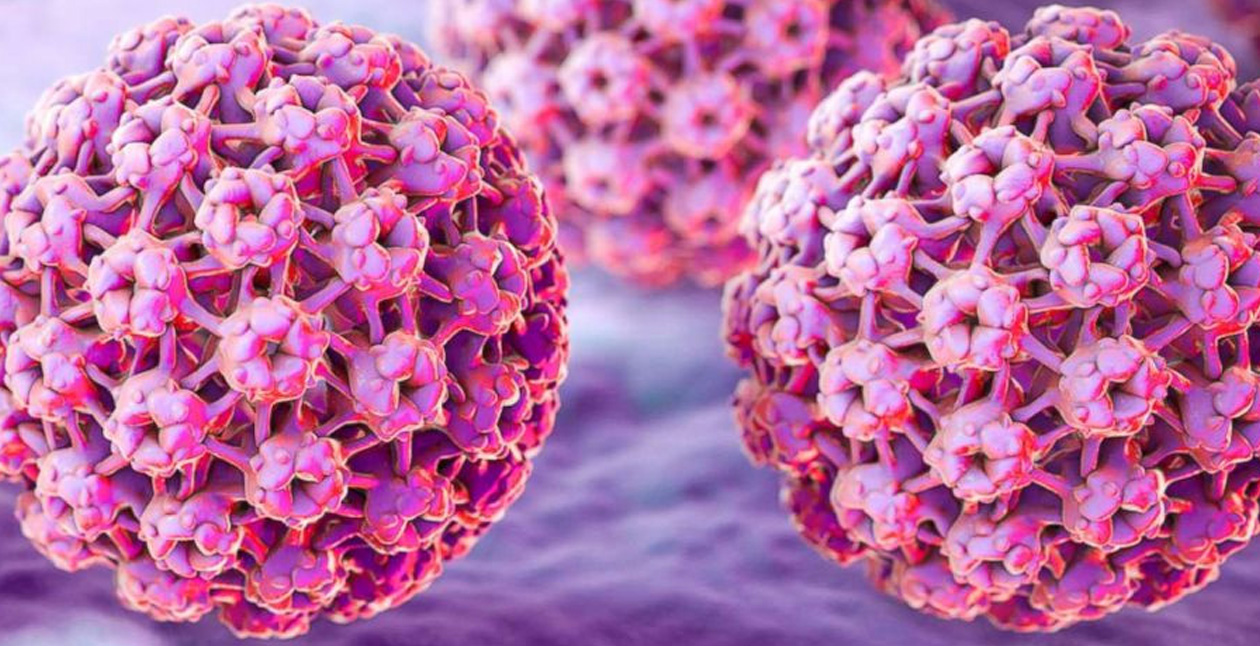
HPV
The human papillomavirus (HPV) is a “dangerous sexual visitor” that, in addition to being implicated in cervical cancer, is also associated with cancers of other organs (vagina, vulva, anus, penis, oral cavity, tonsils, pharynx, larynx, esophagus, and possibly others) and, in fact, at rates ranging from 30–90%.
Protection against HPV-related cancers can be achieved primarily through vaccination and secondarily through preventive screening to ensure early detection. Currently available cervical cancer vaccines provide protection against 2 or 4 carcinogenic types of the virus, while a vaccine is expected to be released in the future that will offer greater protection as it will be a 9-valent vaccine (protecting against 9 types). A woman who has received the HPV vaccine can “rest assured” that she will not develop cervical cancer.
However, the same does not apply to cancers of other organs, as these may be associated with factors other than HPV. In other words, those who receive the vaccine will be protected against HPV-related cancer but not against cancer caused by other factors. HPV, or the human papillomavirus, is transmitted through sexual contact and can cause lesions (genital warts in women or penile warts in men).
These lesions may be visible to the naked eye, such as genital warts, which appear on the external genitalia and resemble “olives”; however, they may not be visible, in which case we refer to them as flat warts. Diagnosis is achieved through the Pap test, which detects cellular abnormalities. Its reliability is approximately 80–85%. Combining the Pap test with colposcopy, as well as colposcopy-guided biopsies, increases the reliability rate. There is no medication that can rid the body of the virus. The virus remains in the epithelium of the genital tract for a long time or even permanently. This is not a cause for concern, even in cases of high-risk HPV.
Recurrences of the lesions are rare, and as long as patients are monitored, there is no risk. In cases where the immune system prevails and the inflammation subsides on its own, recurrences are rare. In other patients, where we deem it appropriate to intervene and destroy or remove the lesions (acute warts or precancerous lesions), we again wait for the immune system to prevail. Once the lesions have disappeared, the immune system faces a lower viral load and finds it easier to suppress the remaining HPV.