
Warts
The HPV virus is transmitted through sexual contact, specifically through direct contact with the skin of the genital area of men and women, and less through contact with semen or vaginal fluids. Using a condom greatly reduces the transmission of the virus, as well as all sexually transmitted diseases, if used correctly and does not break. However, it cannot guarantee 100% protection against the virus. Because during sexual intercourse the condom may leave some parts of the male organ uncovered, complete protection against warts that affect the external genital organs cannot be guaranteed.
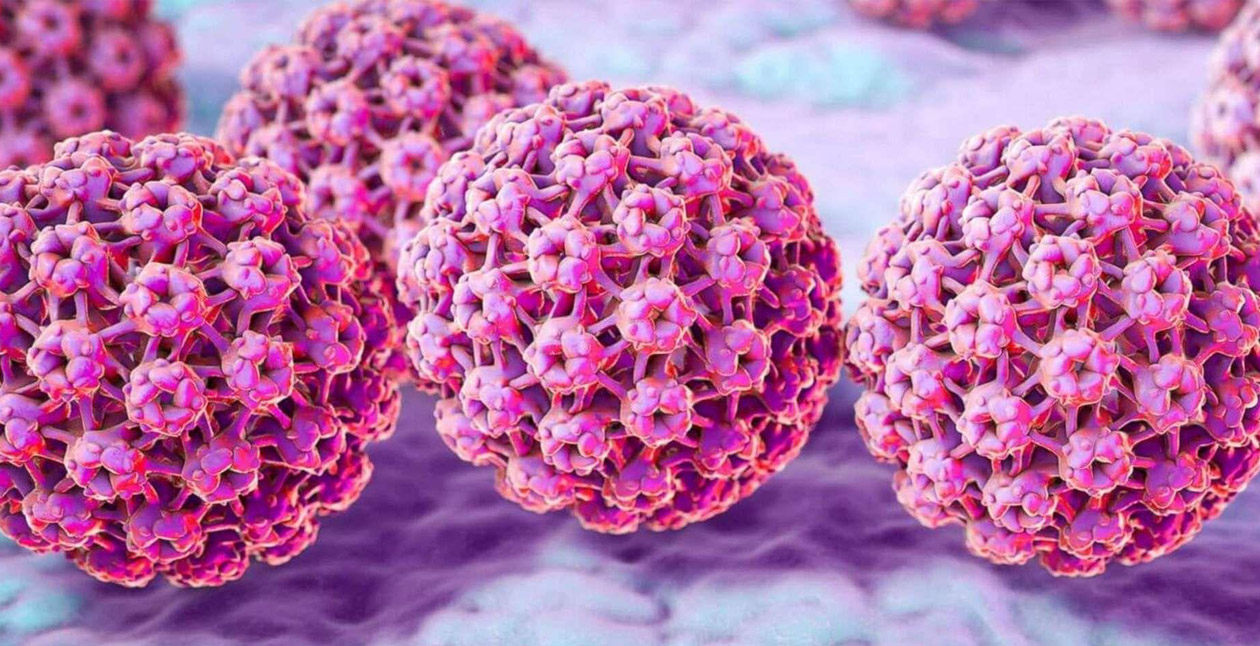
HPV cannot multiply on its own. It enters human cells and exploits their genetic mechanism in order to multiply itself. In other words, it multiplies alongside our cells. To do this, they must penetrate the basal layer of cells in the epithelium of our skin and mucous membranes. Minor injuries to the skin and mucous membranes during sexual intercourse allow HPV to infect the basal layer of epithelial cells and begin to multiply by exploiting the normal function of cell renewal in our body.
The virus cannot be removed from the body. It infects cells and remains in them forever. However, dysplasias and warts can be removed. The available treatments for warts are:
- Cauterization with a needle or laser.
- Destruction with liquid nitrogen (cryotherapy)
- Surgical removal – excision
- Treatment with chemicals (e.g., podophyllotoxin)
No treatment method is better than another, and none is ideal for all cases. Often, a few months after successful treatment, warts reappear in the same area. This is because when an area is infected, different cells in that area may show signs of infection at different times.
Thus, even though some areas with warts have been treated, neighboring areas that appeared healthy may develop warts later on. In areas where warts have been treated, cortisone ointments should not be used in the future. There is a risk of locally reduced immunity and recurrence of warts at that specific site.