
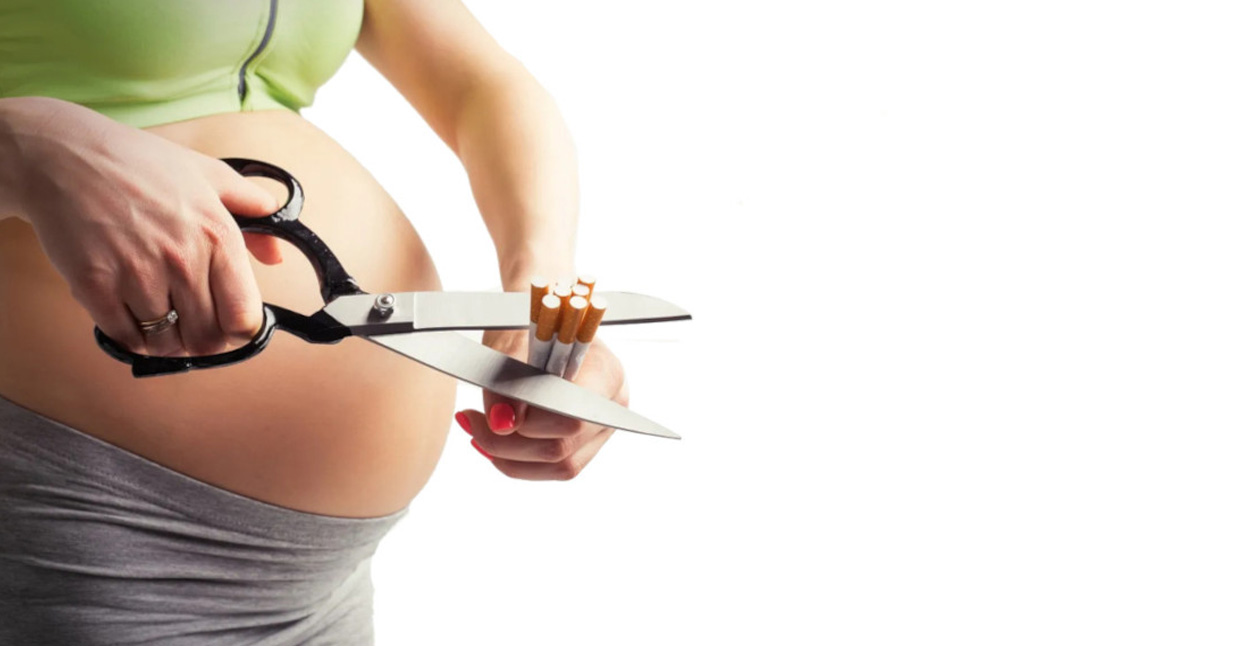
Smoking During Pregnancy
Cigarette smoke contains more than 4,000 harmful chemicals and increases the risk of heart disease or cancer. Why is it bad for the baby? Smoking during pregnancy causes blood vessels to narrow, thereby reducing the amount of oxygen reaching the placenta, which in turn increases the chances that the fetus will not be properly nourished. Research by the American organization Action on Smoking and Health showed that babies whose mothers smoke weigh, on average, 200 grams less than those whose mothers do not smoke. Underweight infants are more susceptible to illness and infection.
What is recommended? Quit smoking as soon as possible. What else should I be aware of? Secondhand smoke has similar effects, so avoid places with a lot of smoke. The risks of smoking for conception, the course of pregnancy, and the health of the fetus begin long before a couple decides to have a child. Studies show that the effects of smoking during the perinatal period are devastating; it is believed that if all female smokers quit, perinatal mortality would decrease by 10%.
Pregnant women who smoke are more likely to experience ectopic pregnancy, intrauterine and neonatal death, placenta previa, premature placental abruption, and premature rupture of membranes. Meanwhile, their chances of miscarrying in the first trimester of pregnancy are 46% higher than those of non-smokers. The risk of these complications depends on the number of cigarettes a woman smokes before and during pregnancy. The primary and most common effect on the fetus/newborn is low birth weight, particularly if it is also associated with preterm birth. Newborns of mothers who smoke are twice as likely to be born weighing less than 2,500 grams than those of mothers who do not smoke. This weight deficit is usually resolved within six months after birth, unless other risk factors are present, such as the mother’s low socioeconomic status and inadequate nutrition during pregnancy, in which case the effects on the child’s development are permanent.
Children of smokers are more likely to get sick frequently, particularly from respiratory illnesses, ear infections, and colds, pharyngitis, and their mental, physical, and emotional development is delayed compared to that of children of nonsmokers. Compared to children of non-smokers, children of smokers are more likely to experience learning and behavioral problems during childhood.