
Endometriosis
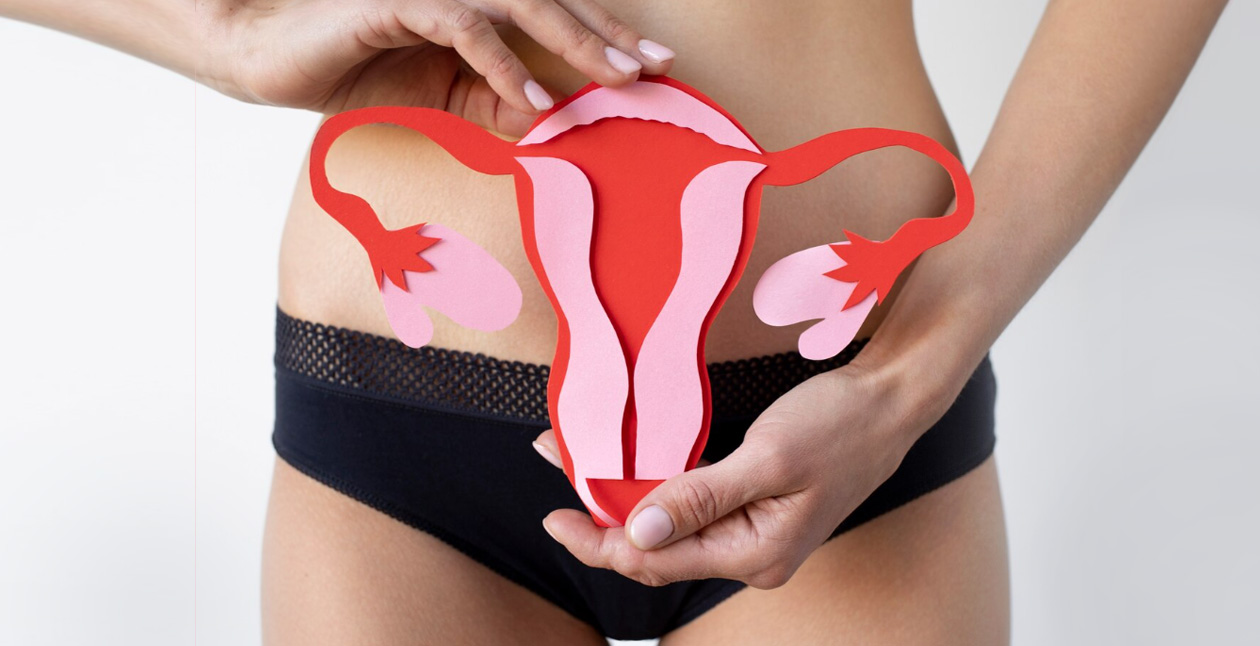
Endometriosis is a condition in which endometrial tissue grows in areas outside the uterus, i.e. in the abdominal and pelvic organs. Lesions, nodules, or cysts develop in these areas. Endometriotic lesions are histologically similar to the endometrium, and during menstruation they also produce small amounts of blood, just like the uterus.
These small amounts of blood are the abnormal behavior of endometriosis, which causes all the pathological damage of the disease. Over the course of months, this mechanism can lead to the formation of chocolate (endometriotic) cysts in the ovary, which contain bloody fluid. Damage can also occur to the surface of the peritoneum, with red, white, or brown spots, or other lesions behind the peritoneum (in the intestine, bladder, or vagina) like small tumors (endometriotic nodules) that are very painful. Translated with DeepL.com (free version)
According to the American Fertility Society, there are four stages of severity of the disease:
First, second, third, and fourth stages correspond to minimal, mild, moderate, and severe endometriosis.
Classification is only done surgically. Pain is one of the most common symptoms of endometriosis. Women usually experience pain in the lower abdomen. The intensity of the pain does not depend on the extent of the endometriosis. Some women have no pain, even though endometriosis is widespread in many large areas. Other women with acute and severe pain have few and small areas of endometriosis.
Symptoms of endometriosis include:
- Severe dysmenorrhea (period pain), which worsens over time
- Chronic pain in the lower back and pelvis
- Pain during and after intercourse
- Gastrointestinal discomfort
- Painful bowel movements and hematuria during menstruation
- Heavy and prolonged menstruation
- Slight bleeding between periods
- Infertility
Women with endometriosis often experience gastrointestinal problems such as diarrhea, constipation, and bloating, especially during their period. There is no cure for endometriosis, but there are many treatments for the pain and infertility it causes. The treatment chosen for each woman (medication or surgery) depends on her symptoms, age, and plans for pregnancy.