
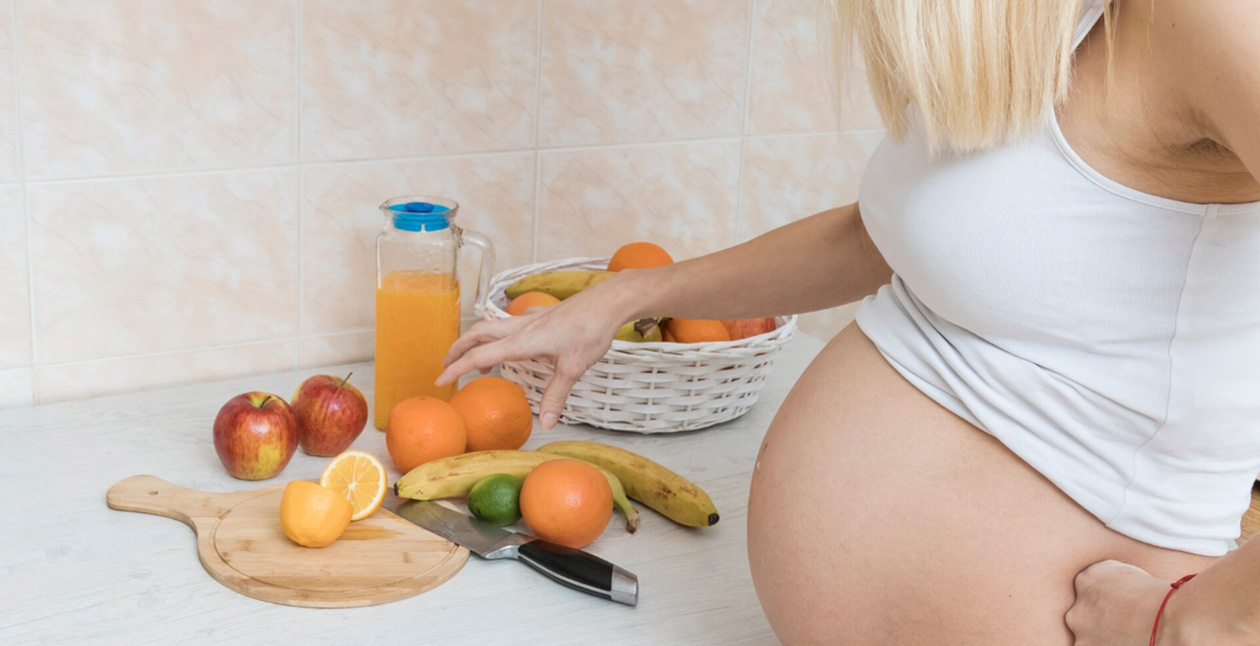
Nutrition During Pregnancy
How long does it take for my body to recover after pregnancy?
The average weight of a newborn is about 3–3.5 kilograms. But how much less does a mother weigh when she leaves the delivery room? And how long does it take for her body to return to its pre-pregnancy condition? Although the “timeline” for weight loss varies for every woman and depends on many factors (e.g., how much weight she gained during pregnancy, whether she is breastfeeding, her dietary habits, and whether she exercises), there are certain consistent factors regarding the body’s recovery after childbirth.
24 hours after giving birth: On average, women lose about 5.5 kilograms immediately after giving birth.
1 week later: Breastfeeding plays an important role in weight loss. While experts recommend that breastfeeding mothers consume about 500 more calories per day than usual, these women typically lose more weight after childbirth and do so more quickly compared to non-breastfeeding mothers. This is because the process of milk production is particularly energy-intensive.
1 month later: It may sound too good to be true, but it is common for new mothers to lose about 10 kilograms within the first month after giving birth, according to the American College of Obstetricians and Gynecologists (ACOG). Since experts recommend that most women gain 12 to 14 pounds during pregnancy, this means that about four weeks after giving birth, you should have almost returned to your pre-pregnancy weight!
Your belly won’t flatten out overnight. It takes about six weeks for your uterus to return to its original shape and size, so you’ll still look pregnant for quite some time. However, just one week after giving birth, you’ll have lost quite a bit of weight and your belly will start to shrink. The “key” to quickly regaining the figure you had before you became pregnant is none other than exercise. So start some form of exercise as soon as your gynecologist gives you the go-ahead.
Swelling in the extremities is completely normal and may worsen after childbirth. This happens partly because the uterus directs a large amount of blood to the rest of the body, and partly because most women receive intravenous fluids during labor. This fluid accumulates mainly in the lower extremities. Swelling in the feet usually subsides within a week to ten days, and it is advisable for the new mother to be informed of this. A woman may also notice that she needs a larger shoe size after pregnancy, even after the swelling subsides. This happens because the body’s ligaments loosen during pregnancy, causing the foot to expand slightly.
Your reproductive organs and nearly all of your body’s functions return to their pre-pregnancy state within 6–8 weeks after childbirth. This period is called the postpartum period. The exception is the breasts, which become active during the postpartum period to perform their vital function—lactation—to ensure the newborn’s nutrition. This transitional period usually proceeds smoothly, without any major problems.
What is the ideal amount of weight to gain during pregnancy?
Follow the guidelines provided by your obstetrician and dietitian. Overweight women should aim to gain up to about 10 kilograms, women of normal weight should gain 9–12 kilograms, and severely underweight women should gain about 15–19 kilograms. You should not try to lose weight during pregnancy, but it is equally important not to gain too much weight. This depends on your weight.
- For underweight women (with a BMI <19): 15–19 kilograms is the recommended weight gain.
- For women of normal weight (with a BMI of 19–25): 9–12 kilograms is the recommended weight gain.
- For overweight women (with a BMI of 26–29): 7–11.5 kg is the recommended weight gain.
- For obese women (with a BMI >29): 5.5–8 kg is the recommended additional weight.
- For twin pregnancies (regardless of BMI): The recommended weight gain is up to 16 kilograms.
Broken down as follows:
1–2.5 kilograms during the first trimester of pregnancy.
0.3–0.5 kg per week during the second and third trimesters of pregnancy.
It is also important to note that the mother’s initial nutritional status, her dietary habits, level of physical activity, method of conception (spontaneous or assisted), as well as other pre-existing chronic conditions, influence both weight gain and the quality of nutrition during pregnancy. It is now well established that specific complications during pregnancy, such as gestational diabetes, hypertension, preeclampsia, and musculoskeletal or vascular diseases, are directly linked to excessive weight gain in pregnant women. Furthermore, the delivery process becomes more difficult.
Recommended Diet During Pregnancy
Eating a healthy diet during pregnancy doesn’t mean you have to follow a special diet, and of course, you don’t need to eat for two. Eating foods from the following food groups in three meals and 2–3 snacks a day provides the nutrients the fetus needs.
Try not to let more than 10 hours pass between meals. If you don’t usually eat breakfast, try having a small snack to start your day.
Potatoes, bread, rice, pasta, and other starchy carbohydrates (e.g., cereals, sweet potatoes).
Try to include them in every meal (and make them the main part of the meal). Choose, preferably, whole-grain or other high-fiber options with less added fat, salt, and sugar.
Fruits and vegetables.
Try to eat 5 servings a day—fresh, frozen, or dried. They’re rich in vitamins, minerals, and fiber.
Beans, legumes, fish, eggs, meat, and other protein sources (e.g., nuts).
Eat two servings of these per day and fatty fish 1–2 times a week.
One serving is equivalent to two eggs, three tablespoons of nuts, or a palm-sized portion of meat or fish.
They are beneficial for your baby’s overall development and, moreover, are a rich source of iron, which helps in the development of the fetal brain, specifically.
Dairy products and alternatives.
Try to have 3 servings a day. One serving = a 240-ml glass of milk, 150 g of yogurt, or 40 g of cheese. Choose low-fat options unless you are underweight. These are rich sources of calcium. If you consume soy alternatives, check that calcium has been added. Other non-dairy foods that contain calcium include: tahini, spinach, broccoli, tofu, beans, sardines, almonds, and dried fruit.
Oil and fats.
- Try to keep them in moderation.
- Choose unsaturated oils (vegetable oils) and monounsaturated oils (olive oil).
- Minimize your intake of foods and beverages high in fat and sugar (e.g., cakes, cookies, sweets, chips) to avoid gaining excessive weight during pregnancy.
Liquids (water, fruit juice).
You can and should drink about eight glasses of water a day. However, if you drink fresh fruit juice, you are allowed only one glass during the day.
Alcohol during pregnancy.
The guidelines of the Royal College of Obstetricians and Gynaecologists (RCOG) recommend that pregnant women should not consume any alcohol at all, and furthermore, for women planning a pregnancy, the safest option is to avoid alcohol. Caffeine: Up to 200 mg of caffeine per day is allowed. Limit your intake of coffee, tea, cola, energy drinks, and chocolate. Stick to two cups of coffee or three cups of tea a day.