
Contraception
Contraception is not enough; it must also be done correctly. For enjoyment in love. To avoid an unwanted pregnancy. Does the pill make you fat? How effective is the coil? Does the condom kill pleasure? How does the doctor administer contraception after the event, following critical intercourse? Will the fear of pregnancy disappear forever when the female condom arrives in Greece?
Condom
It is recommended not only as a safe method of contraception but also as a shield against AIDS. It has many advantages: it eliminates the risk of premature ejaculation, does not burden the woman's body with substances, prevents the risk of infection, and does not "kill" the pleasure of love, as is the case with coitus interruptus. In fact, extremely thin condoms are now available on the market that do not reduce sexual pleasure, unlike older ones.
Interrupted intercourse
This is the most commonly used method. The man must withdraw from the vagina the moment he realizes he is about to ejaculate. Many men can control themselves and succeed, but others cannot. The truth is that very young men do not know how to do it, those who are very much in love cannot do it, and selfish men do not want to do it. You can imagine the results of combining these three "virtues." Besides, before ejaculation, there may be other secretions that contain sperm.
Birth control pill
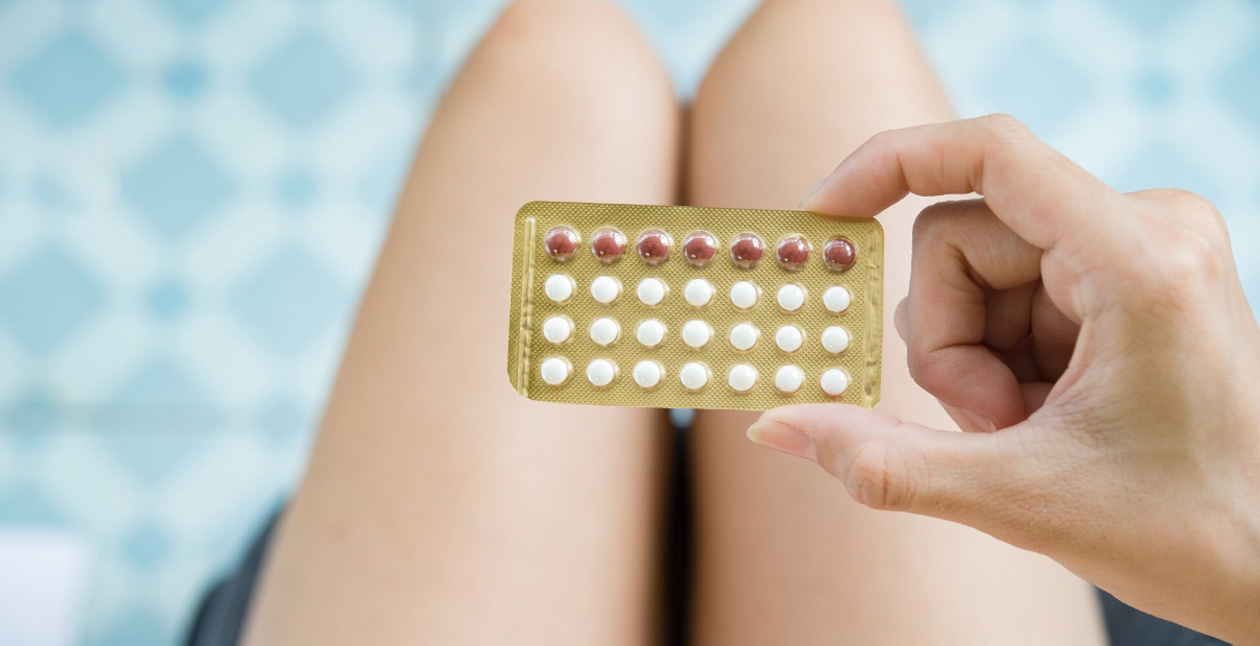
It is the most widely used and modern method of contraception for women. It is a combination of hormones, estrogen and progesterone, which prevent ovulation, endometrial growth and cervical mucus liquefaction. Thus, during intercourse, sperm cannot pass through the cervical mucus and enter the uterus to reach the fallopian tube and fertilize the egg. Meanwhile, no egg is released from the ovary for the sperm to fertilize, as the pill inhibits ovulation. But even if these two obstacles are overcome, the pill creates an "inhospitable" endometrium where the fertilized egg cannot implant. All women should visit their gynecologist before deciding to use the pill. There, after an extensive discussion with the doctor and a series of tests such as breast examination, blood tests, and Pap smear, a decision will be made together with the woman as to which formulation to use.
Intrauterine device or coil
Once the coil, a device containing copper or progesterone, has been inserted into the uterus by a gynecologist, it prevents the fertilized egg from implanting in the uterus. All you have to do after insertion is check after each menstrual period that it has not come loose. The failure rates of this method are also minimal, and its great advantage is that, unlike birth control pills, it does not disrupt your cycle. Of course, if you are not in a stable relationship, you should probably forget about it, as it does not offer protection against sexually transmitted diseases, unlike condoms, for example.
Diaphragm
Although this method is considered relatively reliable, it is not particularly popular due to the difficulty in using it. In order to insert it yourself, you need special training from your gynecologist, who will also advise you on the appropriate size, as diaphragms come in various sizes and shapes to fit every woman's vagina correctly. Using a smaller diaphragm greatly reduces the protection rate, so as you can understand, using the right size is essential. To understand how it works, the diaphragm is made of silicone or rubber and is designed to fit into your vagina and cover the cervix, preventing sperm from entering. However, unlike an IUD, the diaphragm cannot remain in your vagina for long periods of time. After intercourse, and after 6 to 8 hours have passed, you must remove it, rinse it, and store it in a cool place until the next time you need to reinsert it.
Morning-after pill
Emergency contraception is used in cases of unprotected sexual intercourse or when the usual contraceptive method has failed (e.g. if a contraceptive pill has been missed or if there is gastroenteritis and vomiting, if there has been an "accident" with the condom, etc.) or in cases of rape. Of course, taking the pill only makes sense when the "risky" intercourse occurs close to the fertile days. Emergency contraception cannot be used as a regular method of contraception due to the side effects it causes when used frequently.